Archives
- 2026-08
- 2026-07
- 2026-06
- 2026-05
- 2026-04
- 2026-03
- 2026-02
- 2026-01
- 2025-12
- 2025-11
- 2025-10
- 2025-09
- 2025-03
- 2025-02
- 2025-01
- 2024-12
- 2024-11
- 2024-10
- 2024-09
- 2024-08
- 2024-07
- 2024-06
- 2024-05
- 2024-04
- 2024-03
- 2024-02
- 2024-01
- 2023-12
- 2023-11
- 2023-10
- 2023-09
- 2023-08
- 2023-07
- 2023-06
- 2023-05
- 2023-04
- 2023-03
- 2023-02
- 2023-01
- 2022-12
- 2022-11
- 2022-10
- 2022-09
- 2022-08
- 2022-07
- 2022-06
- 2022-05
- 2022-04
- 2022-03
- 2022-02
- 2022-01
- 2021-12
- 2021-11
- 2021-10
- 2021-09
- 2021-08
- 2021-07
- 2021-06
- 2021-05
- 2021-04
- 2021-03
- 2021-02
- 2021-01
- 2020-12
- 2020-11
- 2020-10
- 2020-09
- 2020-08
- 2020-07
- 2020-06
- 2020-05
- 2020-04
- 2020-03
- 2020-02
- 2020-01
- 2019-12
- 2019-11
- 2019-10
- 2019-09
- 2019-08
- 2019-07
- 2018-07
-
As shown in B the recombinant human LOX nM
2025-02-26
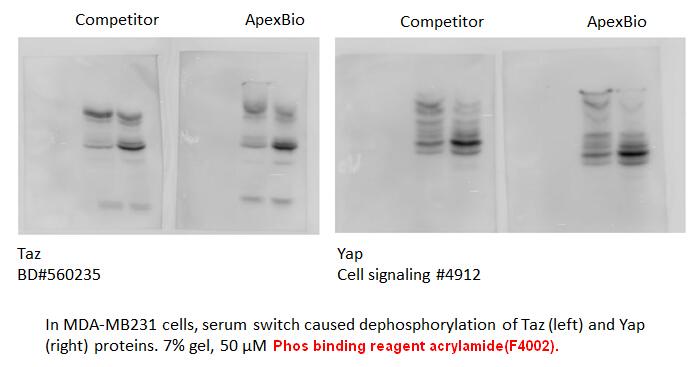
As shown in B, the recombinant human 15-LOX-1 (30nM) showed a time-dependent increase in fluorescent signal, and signal development was almost completed within 20min in the presence of 50μM arachidonic Boc-D-FMK and 5μM DHR. For both purified enzyme and cell lysates, the enzyme activities disappear
-
Human lipoxygenase exists in two forms named LOX also named
2025-02-26
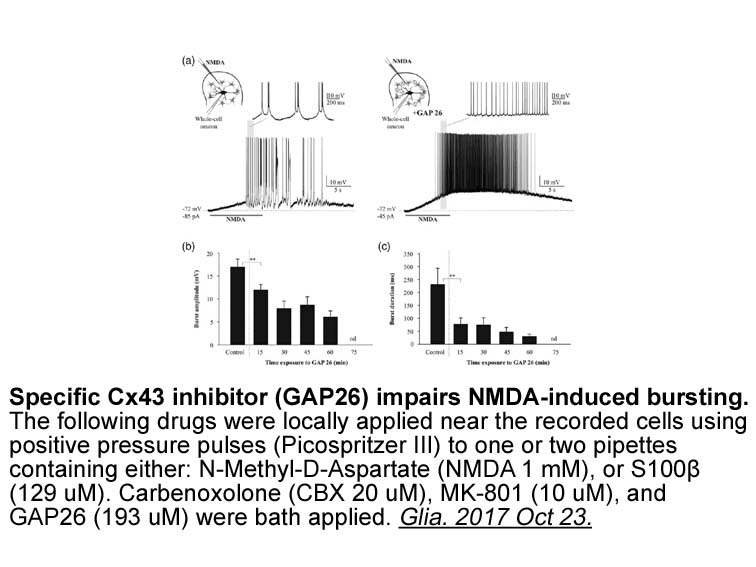
Human 15-lipoxygenase exists in two forms, named 15-LOX-1 (also named 12/15-LOX, 15-LO-1) and 15-LOX-2. Several reports indicate that 15-LOX-1 has a pathophysiological role in respiratory inflammatory diseases, in particular asthma. Increased activity of 15-LOX-1 is displayed in the respiratory trac
-
Seliciclib br Acknowledgments br Introduction Human innate
2025-02-26
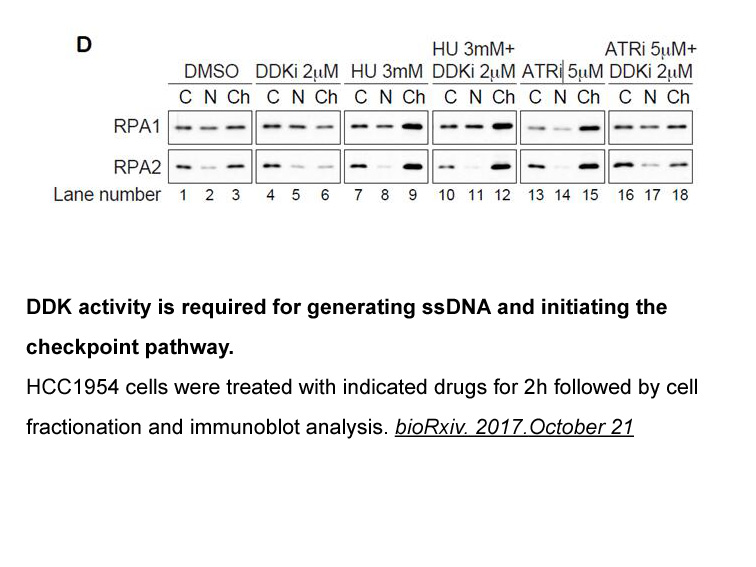
Acknowledgments Introduction Human innate immune system provides first line of defense against multiple viral or bacterial attacks, and provides critical surveillance against oncogenic development. Evidences show that individuals with primary immunodeficiency or induced immunosuppression durin
-
br Dysregulated aromatase expression the link between obesit
2025-02-26
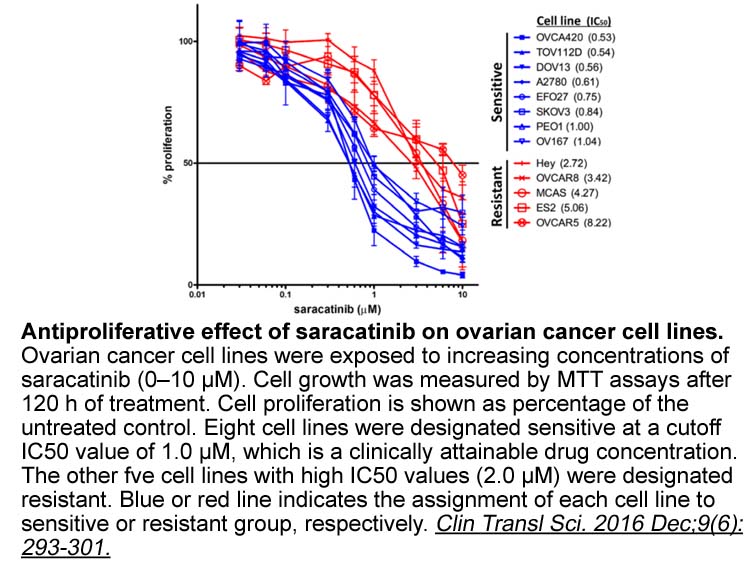
Dysregulated aromatase expression: the link between obesity and breast cancer Obesity has been associated with abnormally high expression of the enzyme aromatase in the breast, influencing the local production and bioavailability of estrogens (Morris et al, 2011, Subbaramaiah et al, 2012). Bowers
-
br Introduction Active oxygen radicals
2025-02-25

Introduction Active oxygen radicals in the human body have a strong effect of inducing lipid peroxidation, which in turn induces oxidative imbalance and causes various diseases. Natural polysaccharides are substances with certain antioxidant activity. They are used as antioxidants and have advant
-
bruton's tyrosine kinase Introduction It has long been r
2025-02-25
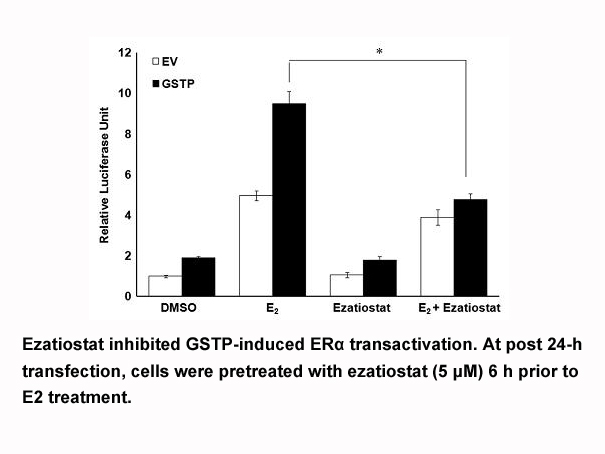
Introduction It has long been recognized that angiogenesis is critical to the growth, progression, and metastasis of many solid tumor types [1], and thus, drugs targeting the angiogenic pathway have been a topic of clinical investigation in the oncology community for many years. Angiogenesis is reg
-
In this study we designed and synthesized two ALK PROTACs
2025-02-25
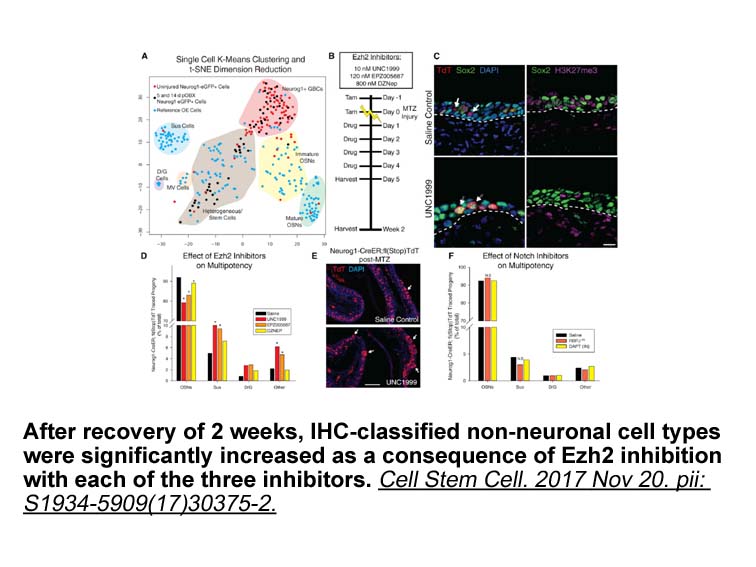
In this study, we designed and synthesized two ALK PROTACs (degraders), 5 (MS4077) and 6 (MS4078), by linking ceritinib and pomalidomide [45] through two different linkers. Using human ALCL and NSCLC cells, we characterized both compounds in a battery of assays to demonstrate their effects on reduci
-
Introduction Inflammasomes are large cytosolic protein compl
2025-02-25
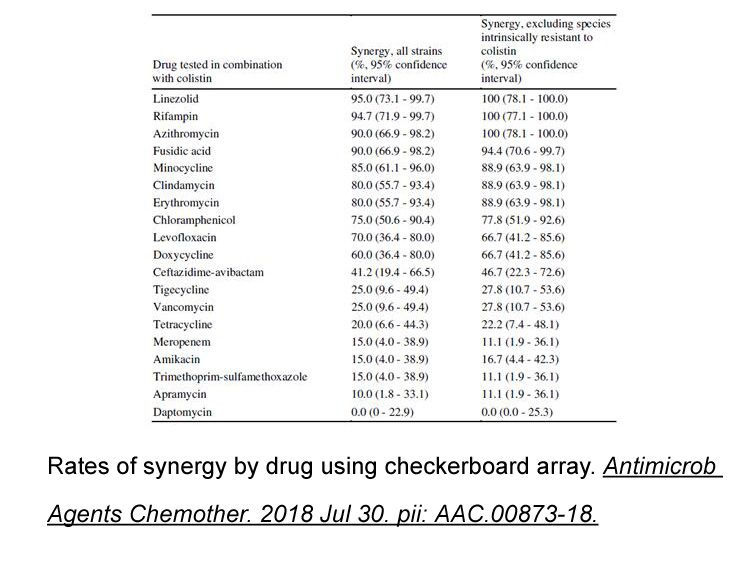
Introduction Inflammasomes are large cytosolic protein complexes with multiple components that trigger a rapid immune response against pathogen-associated molecular pattern gap junctions (PAMPs) during pathogen infections or damage-associated molecular pattern molecules (DAMPs) during tissue damag
-
Baricitinib phosphate br Conflict of interest statement br I
2025-02-25

Conflict of interest statement Introduction Human saliva contains many detoxifying and antioxidant Baricitinib phosphate like glutathione S-transferase, catalase, peroxidase, aldehyde dehydrogenase (ALDH), etc. [1]. Human salivary ALDH (hsALDH) protects individuals from toxic aldehydes contai
-
Since non lipoprotein derived free cholesterol is recycled f
2025-02-25
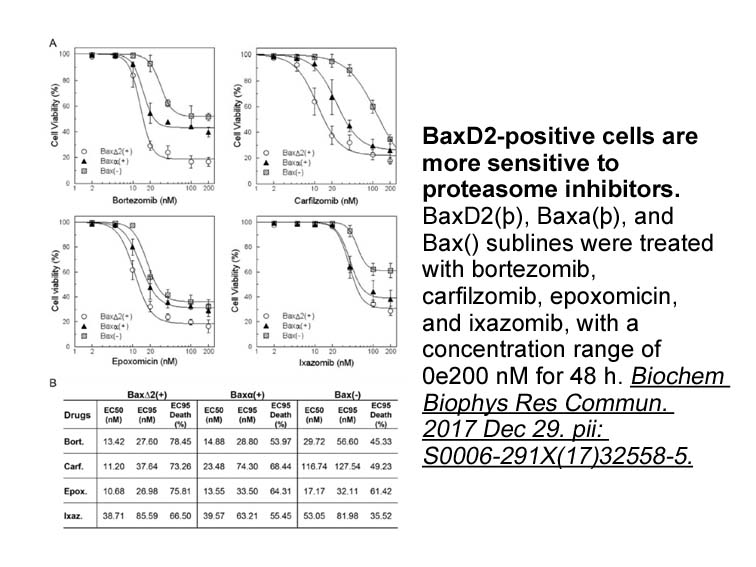
Since non-lipoprotein-derived free cholesterol is recycled from the plasma membrane through the endosomal system through receptor-independent mechanisms, we wanted to determine whether ABCA2 could alter the trafficking of this source of free cholesterol. Our approach was to measure the effect of mob
-
Rising depolarization was observed during and decaying depol
2025-02-25
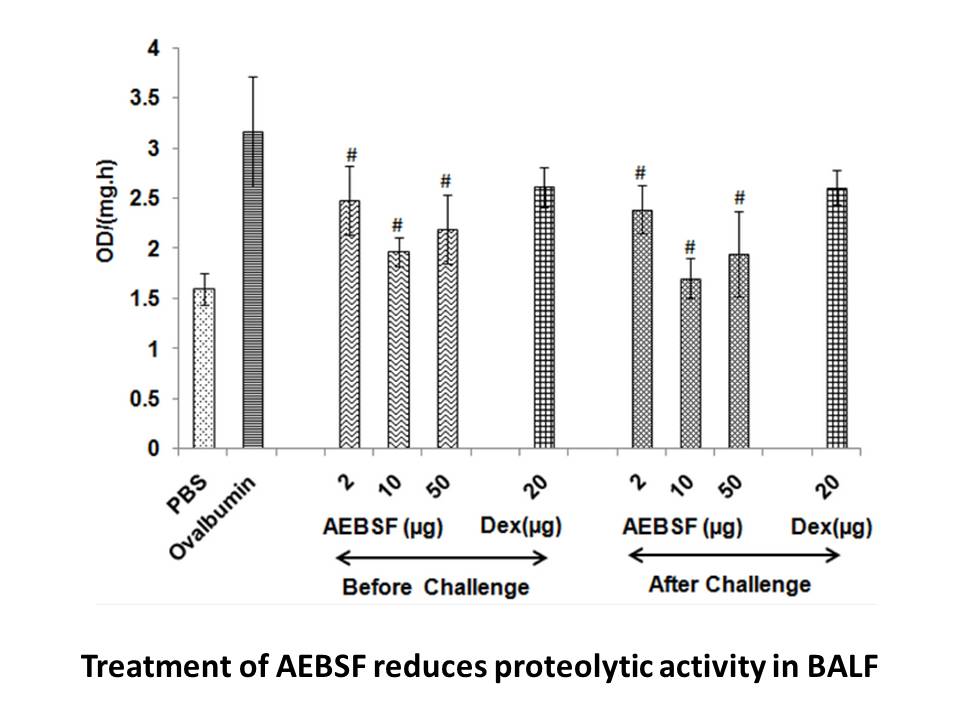
Rising depolarization was observed during and decaying depolarization after the photostimulation (Fig. 1D). The slow decrease of the firing rate after photostimulation is also a remarkable characteristic of the striatal neuron (Figs. 1E, 2 and 3), since the cortex pyramidal neurons (data not shown)
-
Among different classes of pesticide organophosphates as wel
2025-02-25
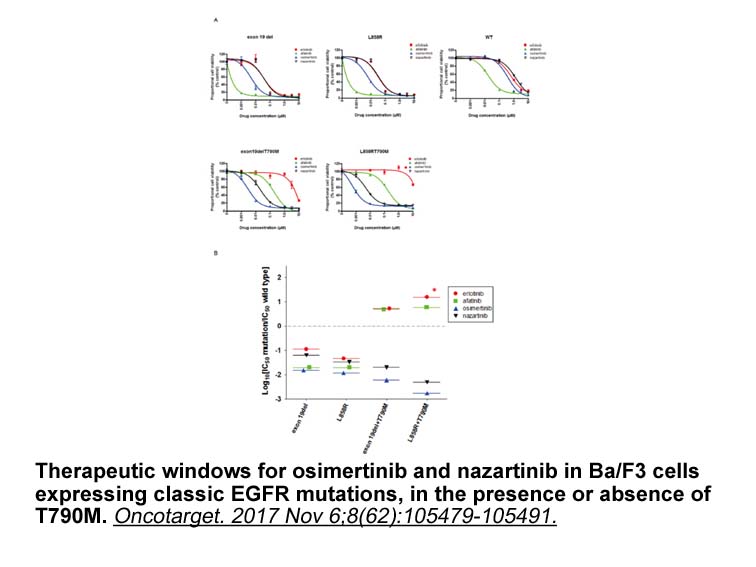
Among different biotin 100 mg of pesticide, organophosphates as well as pyrethroids are more frequently used because of their high insecticidal property, low mammalian toxicity, less persistence and rapid biodegradability in the environment. These compounds are used extensively in agriculture suppo
-
rs G allele was previously associated with a decrease in
2025-02-25
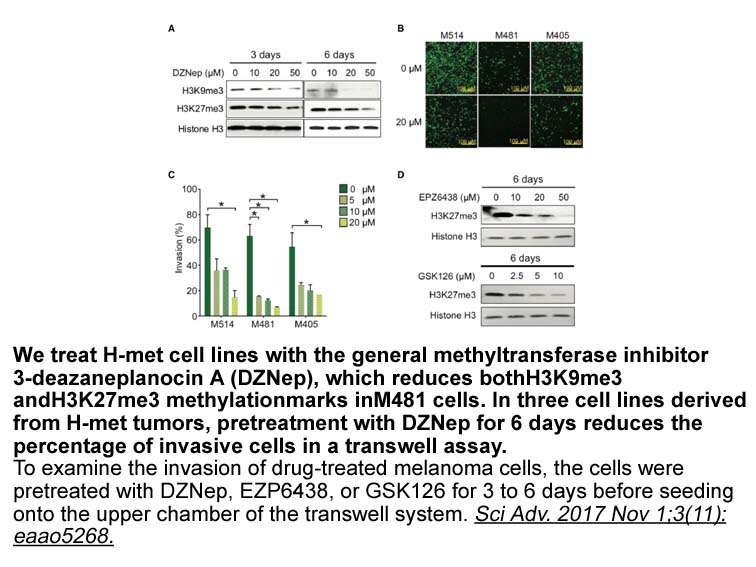
rs523349 G allele was previously associated with a decrease in the conversion rate of testosterone to DHT (Beesley et al., 2007). This SRDA52 variant may have a trend towards higher testosterone availability, which according to the US Food and Drug Administration is described as a teratogen of categ
-
br COX and LOX in post mortem AD
2025-02-25
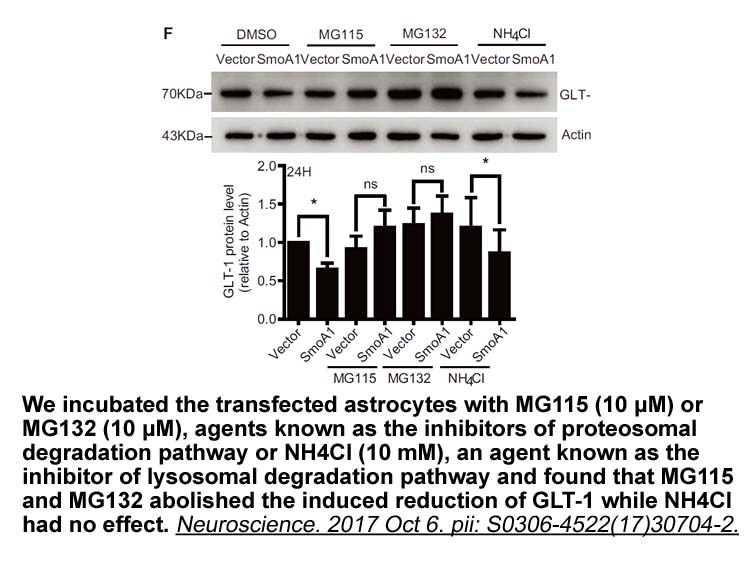
COX and 5-LOX in post-mortem AD brain Minghetti (2004) reviewed the findings on COX-2 mRNA levels in AD brains, pointing out that the available evidence demonstrated either decreased or increased levels, possibly because of the short half-life of COX-2 transcripts or individual variability. Histo
-
The extent to which GPCR oligomerization is
2025-02-25
The extent to which GPCR oligomerization is a regulated process still remains unclear. Reported effects of ligands on both GPCR homo- and heteromers are highly variable and depend on GPCR subtypes and the specific ligand used. According to our data, chronic treatment of mice with both paroxetine or
15365 records 36/1025 page Previous Next First page 上5页 3637383940 下5页 Last page